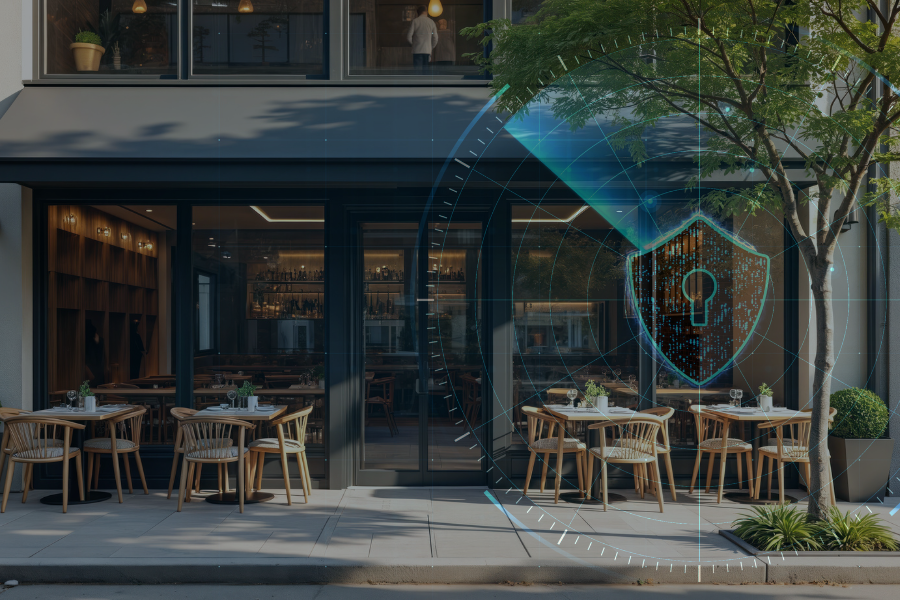
For most restaurants, the day does not end when the last customer leaves. The building shifts from a public space to a controlled one, and at that point, the security system becomes the primary layer of oversight.
ATI works with restaurant owners across San Bernardino and the Inland Empire who assume that transition is covered. Cameras are in place, alarms are armed, and doors are secured. The system appears to be functioning. What goes unexamined is whether it still reflects how the restaurant actually operates after hours.
Where Restaurant Security Starts to Drift
Restaurants operate with a level of variability that most commercial spaces do not. Staffing changes frequently, responsibilities shift, and access extends beyond a small group of managers.
Over time, the system continues running but no longer aligns with daily operations. The gaps tend to show up in consistent ways:
- Camera coverage remains focused on dining areas while back-of-house activity is less visible
- Staff and vendor entry points are not monitored with the same level of clarity as primary entrances
- Physical keys are distributed over time without a reliable way to track access
- Alarm schedules no longer match actual closing and opening routines
This is not a system failure, but rather a system that has remained static while the operation around it has changed.
Why After Hours Carries More Risk
During service, visibility is built into the environment, as staff is present, activity is constant and most issues are noticed as they happen.
After hours, that visibility disappears. The building is unoccupied, but the exposure remains. Equipment, inventory, and access points are still in place without anyone actively overseeing them. At that point, the system is expected to carry the load. Cameras continue recording, but without real-time awareness, they provide information after the fact rather than influencing what is happening in the moment.
That distinction matters when something needs to be addressed, not just reviewed.
If you are unsure how your current system performs after hours, ATI can review your setup and identify where visibility and response can be improved. Call 951-374-1551 to schedule a walkthrough.
Aligning Security With Restaurant Operations
Camera placement should account for both front-of-house and back-of-house activity, including prep areas, storage, and delivery access. Access control should align with staffing, allowing entry to be assigned and adjusted based on roles rather than shared keys.
Alarm systems should reflect real closing and opening routines. When schedules vary, the system needs to support that without creating gaps or confusion. These adjustments are straightforward, but they bring the system back in line with how the restaurant operates.
Adding Real-Time Awareness
For restaurants with consistent after-hours exposure, adding real-time monitoring changes how the system performs.
Remote guarding allows trained operators to monitor camera activity and respond when something out of the ordinary occurs. Instead of reviewing footage the next day, activity is addressed as it happens. That may involve verifying the situation, issuing a verbal warning, or escalating when necessary.
A System That Supports Daily Operations
Restaurant owners need systems that work consistently without requiring constant attention. ATI approaches restaurant security with that in mind. The focus is on aligning cameras, access control, and monitoring with how the restaurant operates, not just how it was originally set up.
That includes reviewing existing systems, making targeted adjustments, and ensuring performance remains consistent over time.
When It Comes Time to Review
Security systems are rarely evaluated during routine operations. They are evaluated when something needs to be understood.
ATI works with restaurants across the Inland Empire to ensure their systems remain aligned with daily operations. If you would like to review how your current setup performs, call 951-374-1551 or contact ATI to schedule a consultation.