Restaurants operate on a defined schedule, but the building does not stop being active when service ends. Closing routines, staff movement, and secured inventory continue after the doors are locked, and during that time, the security system becomes the only layer of oversight.
ATI works with restaurants across San Bernardino and the Inland Empire that rely on systems installed years earlier, often configured around basic intrusion detection and limited camera coverage. Those systems remain in place, but they are not always aligned with how the restaurant operates today, especially during closing and after-hours periods.
That gap becomes more noticeable in areas that require tighter control, including the bar.
Why the Bar Area Requires More Oversight
Bars introduce a different level of operational risk within a restaurant. Inventory is high-value, movement is frequent, and access is often limited to a smaller group of employees. At the same time, activity in this area is not always visible once service slows down or ends.
Without clear coverage, it becomes difficult to confirm how inventory is handled, who accessed the area after closing, or how the space is being used outside of service hours. This is not a matter of distrust, it is a matter of maintaining consistent visibility in an area that carries more exposure than the rest of the floor.
Effective camera placement and controlled access in bar areas help establish that visibility without disrupting daily operations.
Where Camera Coverage Needs to Be More Intentional
Many restaurant systems focus on entrances and dining areas, which are important but do not capture the full picture of how the business operates. Areas like bars, prep spaces, storage rooms, and secondary entry points often receive less consistent coverage.
Gaps in visibility tend to appear in specific ways:
- Bar stations and back bar storage are only partially visible
- Movement between bar, kitchen, and storage areas is not consistently captured
- Deliveries and restocking activity are not clearly documented
- Side or rear entry points are monitored differently than main entrances
When coverage is not aligned with these areas, footage exists, but it does not provide a complete view of what took place.
If you are unsure whether your current camera coverage reflects how your restaurant actually operates, ATI can review your setup and identify where visibility can be improved. Call 951-374-1551 to schedule a walkthrough.
Controlling Access Behind the Bar and Beyond
Access control is often overlooked in restaurant environments, especially in areas like bars where keys or shared codes are commonly used. Over time, that approach makes it difficult to track who can enter certain spaces and when those spaces are accessed.
By assigning access based on roles, restaurants can limit entry to specific areas without adding friction to daily operations. Bar staff, managers, and closing teams can be given appropriate access, and that access can be adjusted as staffing changes.
More importantly, entry events can be reviewed alongside video, which creates a clear record of movement through controlled areas. This level of accountability is difficult to achieve with shared access methods.
After-Hours Monitoring Changes How Issues Are Handled
Once the restaurant is closed, visibility drops significantly. Cameras continue recording, but without real-time awareness, activity is only reviewed later.
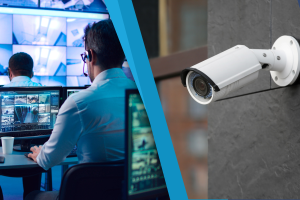
Remote guarding adds a layer of active monitoring during those hours. Trained operators review camera activity as it occurs and respond when something requires attention. This may include issuing a verbal warning through onsite audio or contacting authorities when necessary.
For restaurants with bar inventory, cash handling, or late closing routines, this type of monitoring provides a way to maintain oversight without requiring staff to remain onsite.
A System That Reflects How the Restaurant Operates
Restaurant environments change over time. Menus evolve, layouts are adjusted, and staffing shifts, but security systems are not always updated to reflect those changes.
ATI works with restaurants across San Bernardino and the Inland Empire to align camera coverage, access control, and monitoring with how the business actually operates. The focus is on creating a system that provides clear, consistent information without adding unnecessary complexity.
When Visibility Matters Most
Security systems are not evaluated during routine service. They are evaluated when something needs to be confirmed.
At that point, the system either provides a clear answer or it does not.
ATI works with restaurant owners to ensure their systems provide that level of clarity across all areas of the business, including the bar. If you would like to review how your current system supports your operation, call 951-374-1551 or contact ATI to schedule a consultation.